Give or treat yourself to a subscription to Boats in Motion print + digital and for only 39 euros a year you get the magazine at home plus read it on your PC, smartphone and tablet. With a sea of advantages.
When projects are done sensibly, there is room for everyone. France may have many problems, but the future does not seem to include berths. It’s all due to France’s new national strategic plan for boating development, which has one of its cornerstones in encouraging ZMELs (organized anchorage zones).
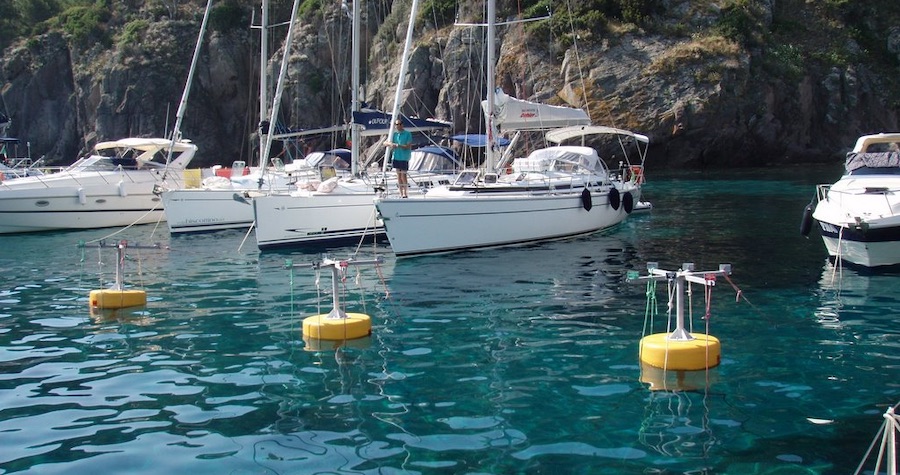
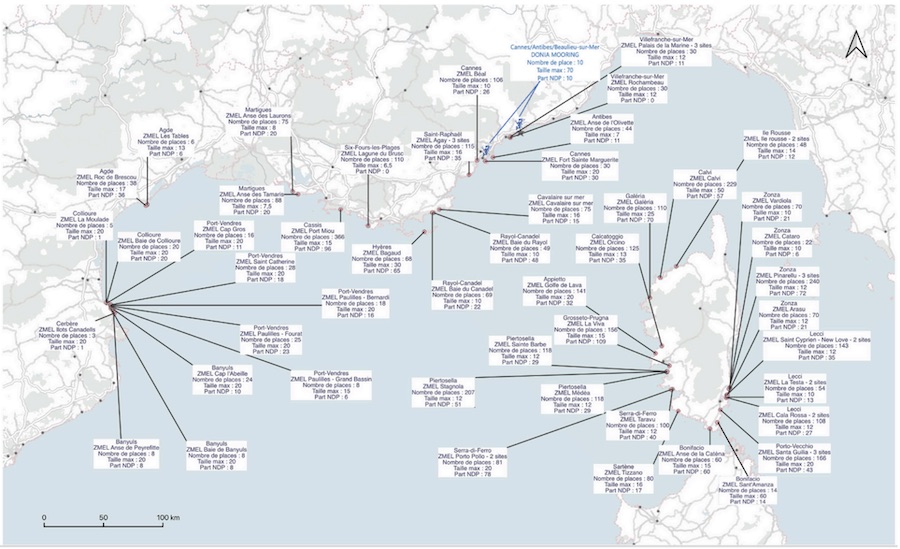
How many more boats would be sold, in Italy, and especially how many more people would go to sea, if it were possible to have a mooring at a fair price? France has gone to the root of the problem and pulled down a plan that, seen like this, should be copied verbatim. We are talking about thousands of moorings in 49 buoy fields. The 49 buoy fields organized in the Mediterranean along the French coast total thousands of moorings of which 149 are for mega yachts, divided by size of boats accommodated at affordable prices.
With our 8,000 kilometers of coastline, we are the second largest country in Europe in terms of kilometers of coastline in the Mediterranean. Ahead of us is only Greece. So it could be done not only “like France,” but even better. And, why not, attract shipowners from outside with all the advantages that would bring. In detail, Greece has 13,000 kilometers of coastline, second Italy with 8,000, third Croatia with 6,000. France is only fourth with 5,000 kilometers of coastline, and Spain is last with only 1,700 kilometers. We are talking about the Mediterranean, of course.
Over here, however, unfortunately all the attention is on the soap opera about bathing establishments, complete with European infringement proceedings to maintain the shameful status quo of the establishments infesting the Italian coasts. And in the meantime, France is not launching a hastily put together “last-minute” plan, but a strategic move with a long-term perspective, up to 2030.
The points of the French plan, in addition to the buoy fields:
orderly development of recreational boating
Ecological transition with reduction of harmful emissions and preservation of seabed and marine life
boat life cycle (scrapping) regulations, simplifying regulations to encourage the conversion of structures and moorings.
In practical terms, what does it mean? Giving a strong incentive to the development of boating and tourism on the water. The French market, we know, faces a very delicate moment and it is, more than ever, necessary to make the sea available to everyone, not just the “rich.”
Fields-boe-French
It is not, then, even an individual initiative of a virtuous region, but a national plan that concerns the sea and coastlines and provides concrete tools that are then applied by the regions. An overall vision, then, which individual realities then elaborate and adapt to their own territory.
How much is nautical tourism worth: Italy VS France
Nowadays, the turnover of Italian nautical tourism as a whole is estimated today at 6 billion euros (France’s is similar), but it can grow in 10 years to over 10 billion euros with a development plan like France’s.
Buoy fields for all
But back to the French plan. One of the cornerstones of the French strategy is that of ZMELs (organized anchorage zones), simply put, buoy fields. The aim is to limit the impact on the seabed (posidonia first and foremost) of anchoring but above all to reduce the pressure on traditional ports in the summer months when it becomes difficult if not impossible to find a berth in port.
All this at affordable prices, encouraging the installation of buoy camps favored by public funding to arrive at economic autonomy in short order, without asking anyone for money.
Ultimate goal: to break down the economic barriers that limit access to recreational boating and to foster the market for smaller units, a gateway to recruit new enthusiasts. Also organizing the anchoring of super and mega yachts, an alternative to the wilderness of these huge recreational “ships.” Those who sail in the summer along the Mediterranean coasts know what we are talking about. The French have surveyed the existing situation and it is already quite an accomplishment to know exactly where the buoy fields are and boats of what size they can accommodate, how long they can be stationed, how much they cost. None of that exists in Italy. A map of the French Mediterranean buoy fields can be found above. But why don’t we copy them, too, instead of just chasing the electoral whims of beach owners?
Powerboats, its stories, from small open to motoryachts. Sign up now for our free newsletter and receive the best news selected by the editorial staff each week. Enter your email below, agree to the Privacy Policy and click the “sign me up” button.
Welcome to the special section “BAM 35 Years.” We are presenting “cult” articles from the Motor Boats archive, starting in 1990. A journey through time among stories unobtainable today, even in the great sea of the internet! A dive into
Welcome to the special section “BAM 35 Years.” We are presenting “cult” articles from the Motor Boats archive, starting in 1990. A journey through time among stories unobtainable today, even in the great sea of the internet! A dive into
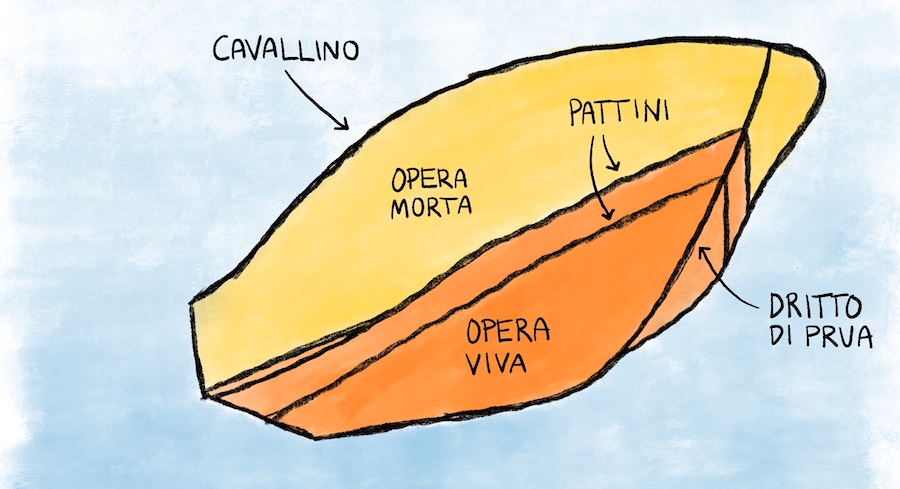
When we write our tests, we talk about live opera, dead opera, skids and deadrise. All these names, to the most experienced are clear, but not everyone is familiar with the technical jargon. Yet these terms are fundamental to understanding
Welcome to the special section “BAM 35 Years.” We are presenting “cult” articles from the Motor Boats archive, starting in 1990. A journey through time among stories unobtainable today, even in the great sea of the internet! A dive into
Gestisci Consenso Cookie
Per fornire le migliori esperienze, utilizziamo tecnologie come i cookie per memorizzare e/o accedere alle informazioni del dispositivo. Il consenso a queste tecnologie ci permetterà di elaborare dati come il comportamento di navigazione o ID unici su questo sito. Non acconsentire o ritirare il consenso può influire negativamente su alcune caratteristiche e funzioni.
Funzionale
Always active
L'archiviazione tecnica o l'accesso sono strettamente necessari al fine legittimo di consentire l'uso di un servizio specifico esplicitamente richiesto dall'abbonato o dall'utente, o al solo scopo di effettuare la trasmissione di una comunicazione su una rete di comunicazione elettronica.
Preferenze
L'archiviazione tecnica o l'accesso sono necessari per lo scopo legittimo di memorizzare le preferenze che non sono richieste dall'abbonato o dall'utente.
Statistiche
L'archiviazione tecnica o l'accesso che viene utilizzato esclusivamente per scopi statistici.L'archiviazione tecnica o l'accesso che viene utilizzato esclusivamente per scopi statistici anonimi. Senza un mandato di comparizione, una conformità volontaria da parte del vostro Fornitore di Servizi Internet, o ulteriori registrazioni da parte di terzi, le informazioni memorizzate o recuperate per questo scopo da sole non possono di solito essere utilizzate per l'identificazione.
Marketing
L'archiviazione tecnica o l'accesso sono necessari per creare profili di utenti per inviare pubblicità, o per tracciare l'utente su un sito web o su diversi siti web per scopi di marketing simili.