Give or treat yourself to a subscription to Boats in Motion print + digital and for only 39 euros a year you get the magazine at home plus read it on your PC, smartphone and tablet. With a sea of advantages.
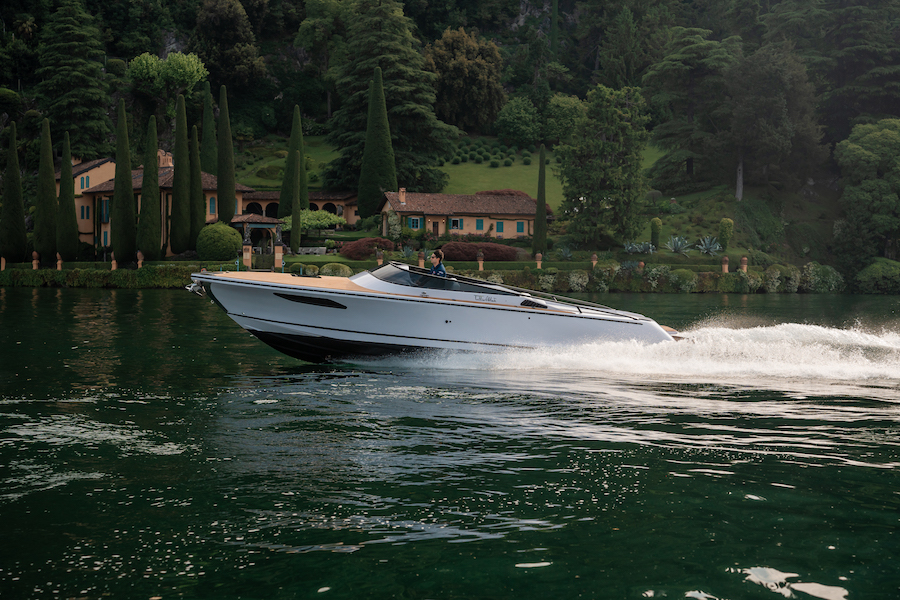
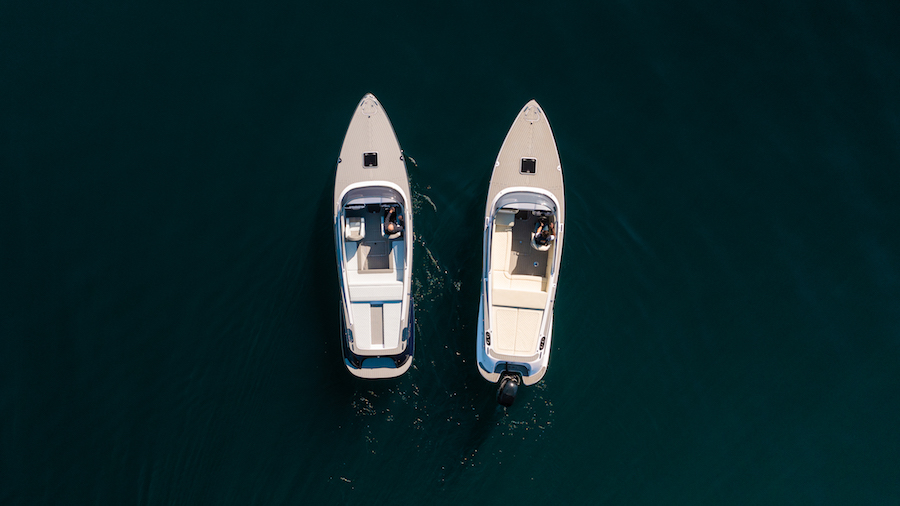
A tribute to the companies and people who have made Barche a Motore great over these 35 years allowing it to be born, grow, and become great up to this historic anniversary. In these articles the great excellences of boating tell their stories and reveal their projects, making an important contribution to the knowledge of this world, which allows us all to go to sea, in all forms and contexts. Miss Villa d’Este (9.98 x 2.78 m), newly launched, embodies today’s DNA of the “Classic” line designed by Tullio Abbate. An evolution of the Villa d’Este Special, inspired by classic lines, she combines timeless elegance with modern technical solutions. She reaches a speed of 60 knots.
The story of a shipyard that shaped Italian powerboating
Imagine Lake Como, a body of water where the picture-postcard silence is broken by a rumble of thunder. It is not a thunderstorm, but the sound of speed, the heartbeat of Italian motorboating, which has its deepest roots here, between the Balbianello Point and the enchantments of Bellagio. This roar is the signature of Cantiere Tullio Abbate, a name that has turned a passion for speed into an art. Founded by Tullio Abbate, who was born in 1944, the shipyard is the beating heart of nearly a century of Italian nautical history, deeply tied to this place where speed is in the DNA of the water.
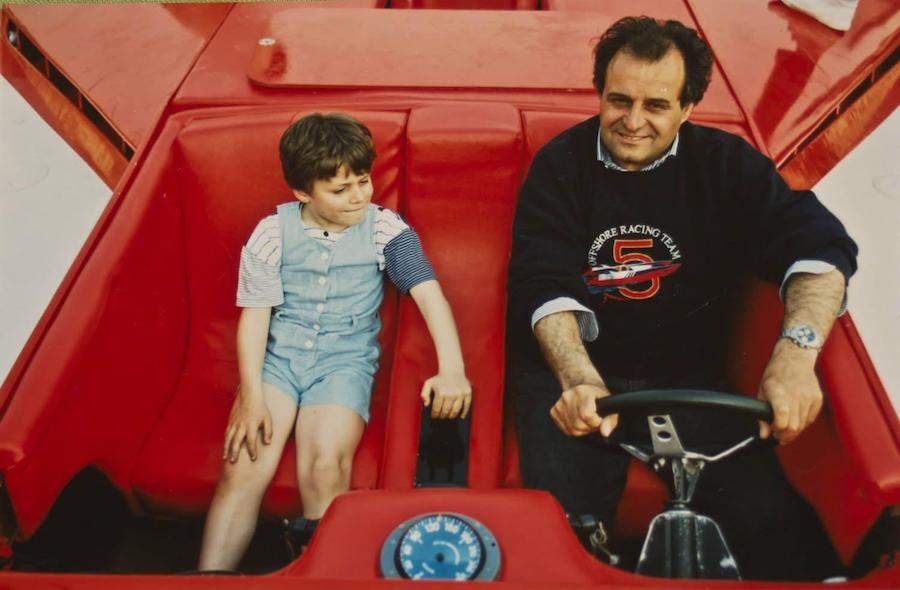
Tullio Abbate Jr. and Sr. in 1990.
A family affair
Before Cantiere Tullio Abbate became a legendary name, there was Guido Abbate, Tullio‘s father, a shipwright and pioneer of Italian motorboating. Guido created wooden boats, true works of art, and was the first in the world to mount automotive engines, such as those of Lamborghini and Ferrari, for marine use. As early as 1952, the three-point boat “Laura1”powered by Alfa Romeo set a world speed record at 226.190 km/h. Tullio grew up in this environment, learning the art of construction and absorbing the passion that would later revolutionize the industry.
In 1952, the three-point boat “Laura1” built by Guido Abbate (father of Tullio Sr.), powered by Alfa Romeo, set a world speed record at 226.190 km/h.
The fiberglass revolution
During the 1960s, Tullio was already competing with marine plywood boats he made himself. In 1962, with the all-plywood hull “The Five”, he won the Centomiglia del Lario thanks to its low weight: only 300 kilograms against the more than 15 quintals of competitors, so much so that his father nicknamed it “the box of carnations.” But the real breakthrough came, however, with the discovery of fiberglass, which Tullio immediately sensed was the material of the future. This innovative vision led him in 1969 to break with his father and officially found Cantiere Tullio Abbate. Despite initial difficulties, the shipyard built the first T15, which immediately achieved race victories and a prestigious world record. From there, iconic models such as the Golden, winner of the Centomiglia; the Sea Star and the Sea Star Super, stars in water skiing and offshore competitions; and the Sea Cobb, the first Italian “fast commuter.” These successes quickly consolidated the shipyard’s reputation nationally and internationally.
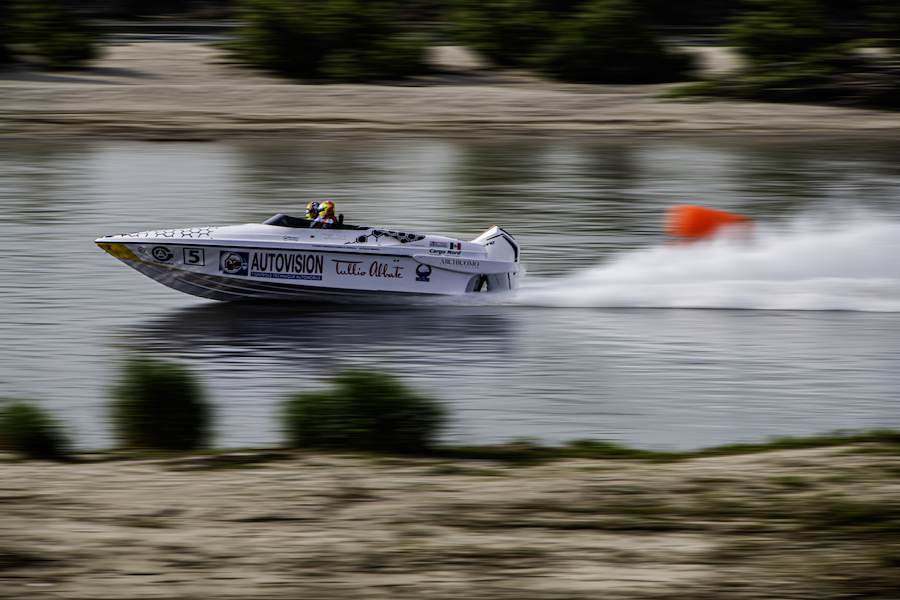
With the Elite 27R, the shipyard participated in the last Pavia-Venice.
Tullio Abbate. The golden era and the many successes
Tullio Abbate Shipyard became a laboratory of innovation, turning racing challenges into engines of technological progress. He was among the first to use the Hunt-type “V” hull, winning the European Championship in 1964. In 1973, he revolutionized the industry with the surface propeller drive and “tail,” a system now standard in offshore hulls. The quest for lightness and strength led to the pioneering use of composite materials such as Kevlar and carbon, guided by the mantra “weight is the enemy of speed.”
These innovations gave rise to iconic models such as:
l’Offshore 36′ (1976), capable of exceeding 100 km/h,
the Sea Miracle 42′(1977), the shipyard’s first cabin cruiser.
in the racing department, the 28′ My Cude (1975), European offshore champion with surface propeller, signed Tullio Abbate.
The yard’s boats enabled Tullio to collect hundreds of victories, including 13 triumphs in the Centomiglia del Lario and the world speed record on diesel hulls (182.280 km/h) between 1977 and 1979, ending up in the Guinness Book of World Records. The yard became a landmark for celebrities and Formula 1 drivers, many of them clients and friends, including Michael Schumacher, Ayrton Senna, Niki Lauda, Diego Maradona, and Princess Caroline of Monaco. Emblematic projects include theOffshore Boxer(1985) with Ferrari V12 engines and the Senna 42′(1995), built in collaboration with Ayrton Senna. Collaborations with designers such as Giorgetto Giugiaro raised the shipyard’s profile, leading to theException ’70 (1988), a 21-meter motoryacht, and the ambitious Exception 90′ (Malambo 2), a 30-meter pleasure vessel capable of reaching 50 knots.
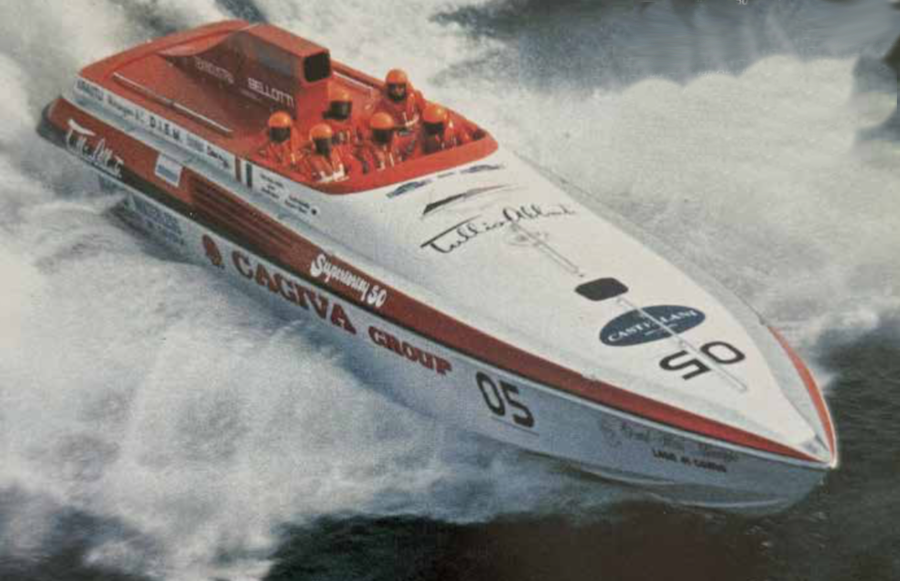
In 1990 the shipyard participated in the prestigious Venice-Montecarlo powerboat race with the Superiority 50′ hull, built for the Cagiva Group. The Superiority 50′, almost 15 meters long, with a deep V-shaped hull and two 1100-horsepower Baudouin engines mated to an IDS Tullio Abbate transmission, took first place in the twin-engine prototype category.
Tullio Abbate. Racing as a testing ground
In 1990 the shipyard participated in the prestigious Venice-Montecarlo. With the hull Superiority 50′, built for the Cagiva Group, the shipyard reconfirmed its philosophy: competition as a testing ground for technical innovation and the launching of new production models. The Superiority 50′, almost 15 meters long, with a deep V-shaped hull and two 1100-horsepower Baudouin engines combined with an IDS Tullio Abbate transmission, won first place in the twin-engine prototype category. This success brought the model into production the following year. This strategy is still at the heart of the yard today: commitment to competition continues to drive research and development. For example, at last year’s Pavia-Venice, the shipyard participated with five boats, including theElite 27R, continuing to push the limits and present new creations, (just as it did in 1990).
The new Harmony 28 (8.6 m), combines 3-D modeling with craftsmanship proper to a shipyard.
The soul of the construction site
Each Tullio Abbate boat is considered a unique piece, the result of extensive work in the yard’s design and construction, destined to sail for decades. From the very beginning, the quest for lightness has been a key pillar for the shipyard to maximize performance. The 300-pound “carnation box” that beat 15-quintal boats is tangible proof of this. This philosophy continues with the use of glass, Kevlar and carbon fabrics, and advanced resins for layering the hull and mechanical components. The mantra “weight is the enemy of speed” has always guided this research. Along with lightness, solidity and reliability are must-have values for the shipyard. The boats are built to hold up well to the sea, ensuring safety in all conditions. Meticulous craftsmanship is the soul of the Tullio Abbate shipyard.
Tullio Abbate Engineering, established in the early 1980s, is the technical heart, where highly skilled figures exclusively design hulls, drive components, stern units and propellers, often in collaboration with luminaries in the field such as Phil Rolla. The shipyard calls itself “the creator of a certain type of boating that is now dying out,” emphasizing its dedication to a product that is not industrial, but unique and enduring. This positioning, which resists standardization, turns the perception of a limitation into a competitive advantage, appealing to a clientele that seeks exclusivity and uncompromising quality. Finally, passion is the main element that has spanned three generations, leading the shipyard to conceive safe, elegant and powerful boats. It is this passion that fuels the research, experimentation and dedication that make each Tullio Abbate a floating work of art.
Tullio Abbate Senna Off-Shore 42.
Tullio Abbate. A rumble that won’t go away
From the roar of the first engines on Lake Como, the history of Cantiere Tullio Abbate is an epic of speed, innovation and passion that has been handed down from generation to generation. Founded on the foundations of Guido, revolutionized by Tullio Sr. and now led by Tullio Jr. the shipyard continues to evolve. With an eye to a sustainable future and a heart that beats for the noblest of roots, the roar of Tullio Abbate ‘s engines will not die out. It will continue to be the soundtrack of dreams on the water, a symbol of Made in Italy that enchants the entire world.
Powerboats, its stories, from small open to motoryachts. Sign up now for our free newsletter and receive the best news selected by the editorial staff each week. Enter your email below, agree to the Privacy Policy and click the “sign me up” button.
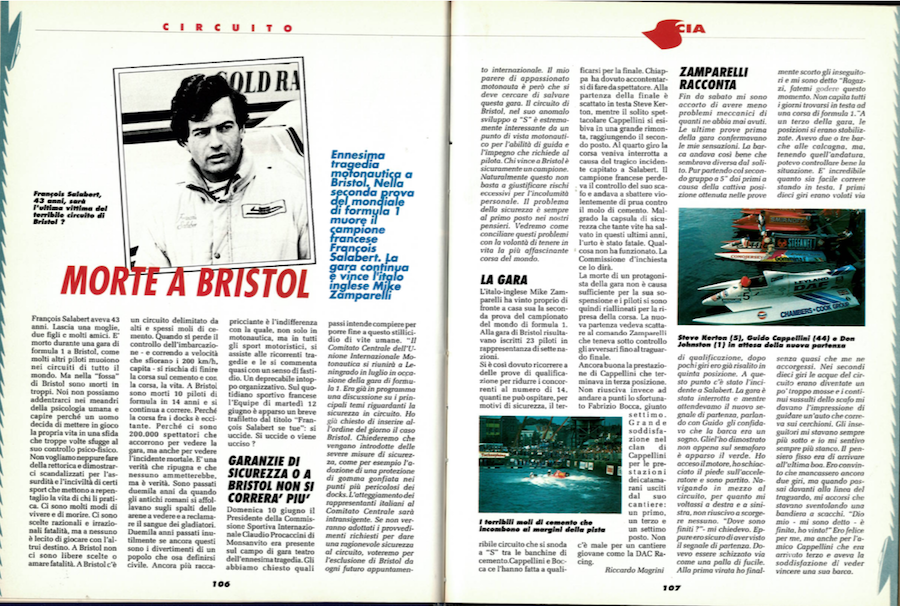
Welcome to the special section “BAM 35 Years.” We are presenting “cult” articles from the Motor Boats archive, starting in 1990. A journey through time among stories unobtainable today, even in the great sea of the internet! A dive into
Welcome to the special section “BAM 35 Years.” We are presenting “cult” articles from the Motor Boats archive, starting in 1990. A journey through time among stories unobtainable today, even in the great sea of the internet! A dive into
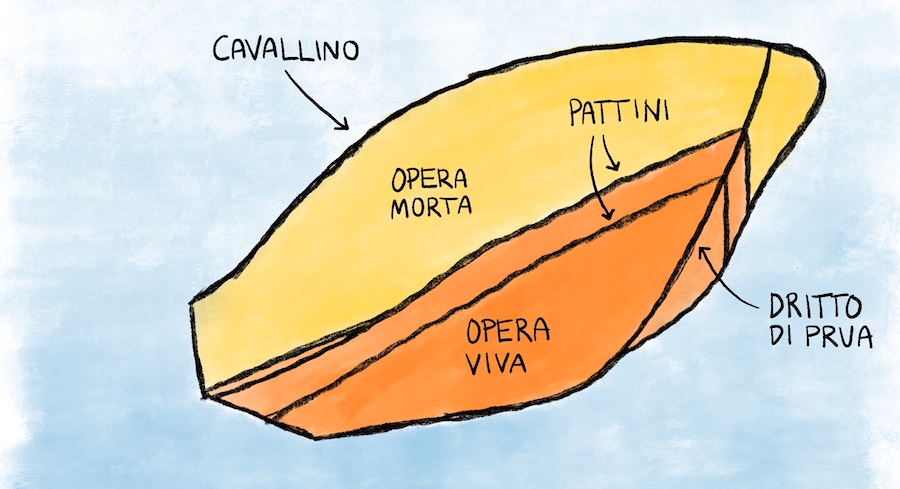
When we write our tests, we talk about live opera, dead opera, skids and deadrise. All these names, to the most experienced are clear, but not everyone is familiar with the technical jargon. Yet these terms are fundamental to understanding
Welcome to the special section “BAM 35 Years.” We are presenting “cult” articles from the Motor Boats archive, starting in 1990. A journey through time among stories unobtainable today, even in the great sea of the internet! A dive into
Gestisci Consenso Cookie
Per fornire le migliori esperienze, utilizziamo tecnologie come i cookie per memorizzare e/o accedere alle informazioni del dispositivo. Il consenso a queste tecnologie ci permetterà di elaborare dati come il comportamento di navigazione o ID unici su questo sito. Non acconsentire o ritirare il consenso può influire negativamente su alcune caratteristiche e funzioni.
Funzionale
Always active
L'archiviazione tecnica o l'accesso sono strettamente necessari al fine legittimo di consentire l'uso di un servizio specifico esplicitamente richiesto dall'abbonato o dall'utente, o al solo scopo di effettuare la trasmissione di una comunicazione su una rete di comunicazione elettronica.
Preferenze
L'archiviazione tecnica o l'accesso sono necessari per lo scopo legittimo di memorizzare le preferenze che non sono richieste dall'abbonato o dall'utente.
Statistiche
L'archiviazione tecnica o l'accesso che viene utilizzato esclusivamente per scopi statistici.L'archiviazione tecnica o l'accesso che viene utilizzato esclusivamente per scopi statistici anonimi. Senza un mandato di comparizione, una conformità volontaria da parte del vostro Fornitore di Servizi Internet, o ulteriori registrazioni da parte di terzi, le informazioni memorizzate o recuperate per questo scopo da sole non possono di solito essere utilizzate per l'identificazione.
Marketing
L'archiviazione tecnica o l'accesso sono necessari per creare profili di utenti per inviare pubblicità, o per tracciare l'utente su un sito web o su diversi siti web per scopi di marketing simili.